Cultural curiosity isn't niche anymore. It's the largest growth driver in food and beverage.
Something shifted. The fastest-growing segment in food isn't organic, isn't plant-based, isn't functional. It's global flavor. Consumers, particularly those under 35, are spending more on foods rooted in culinary traditions they didn't grow up with. They're not looking for "ethnic food" in a dusty aisle. They're looking for premium, design-forward products that tell a real story about where flavor comes from.
The biggest companies in the world see it. PepsiCo spent $1.2 billion on Siete Foods and $1.5 billion on Poppi. Mars paid $36 billion for Kellanova. They're not building these brands internally. They're acquiring them, because cultural authenticity can't be manufactured at scale. It has to be founded.
World Food Junction exists at this intersection. We build brands that combine culinary traditions in ways nobody has commercialized, package them with the care and design rigor the market demands, and create categories that didn't exist before we put them on a shelf.
What we're building.
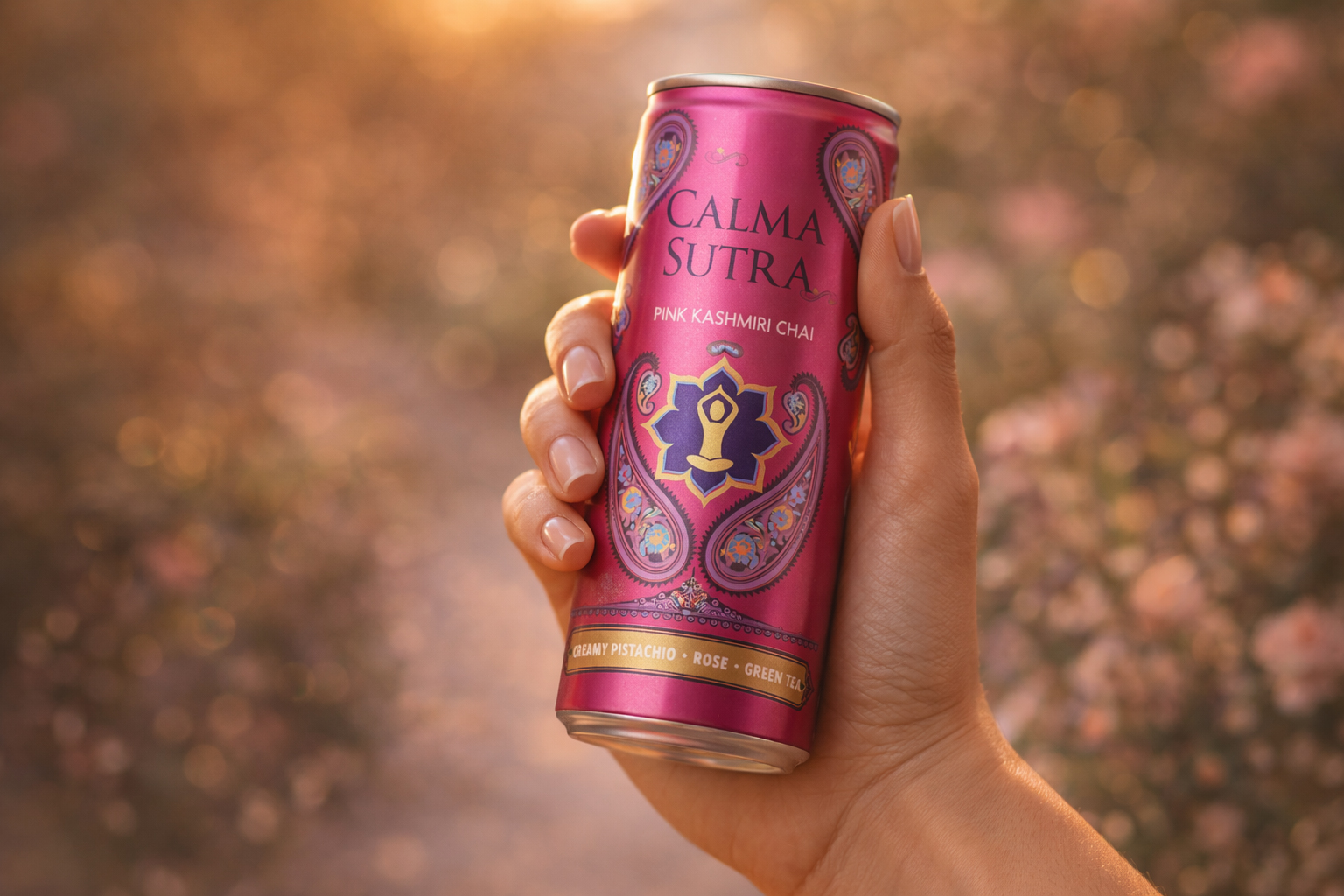
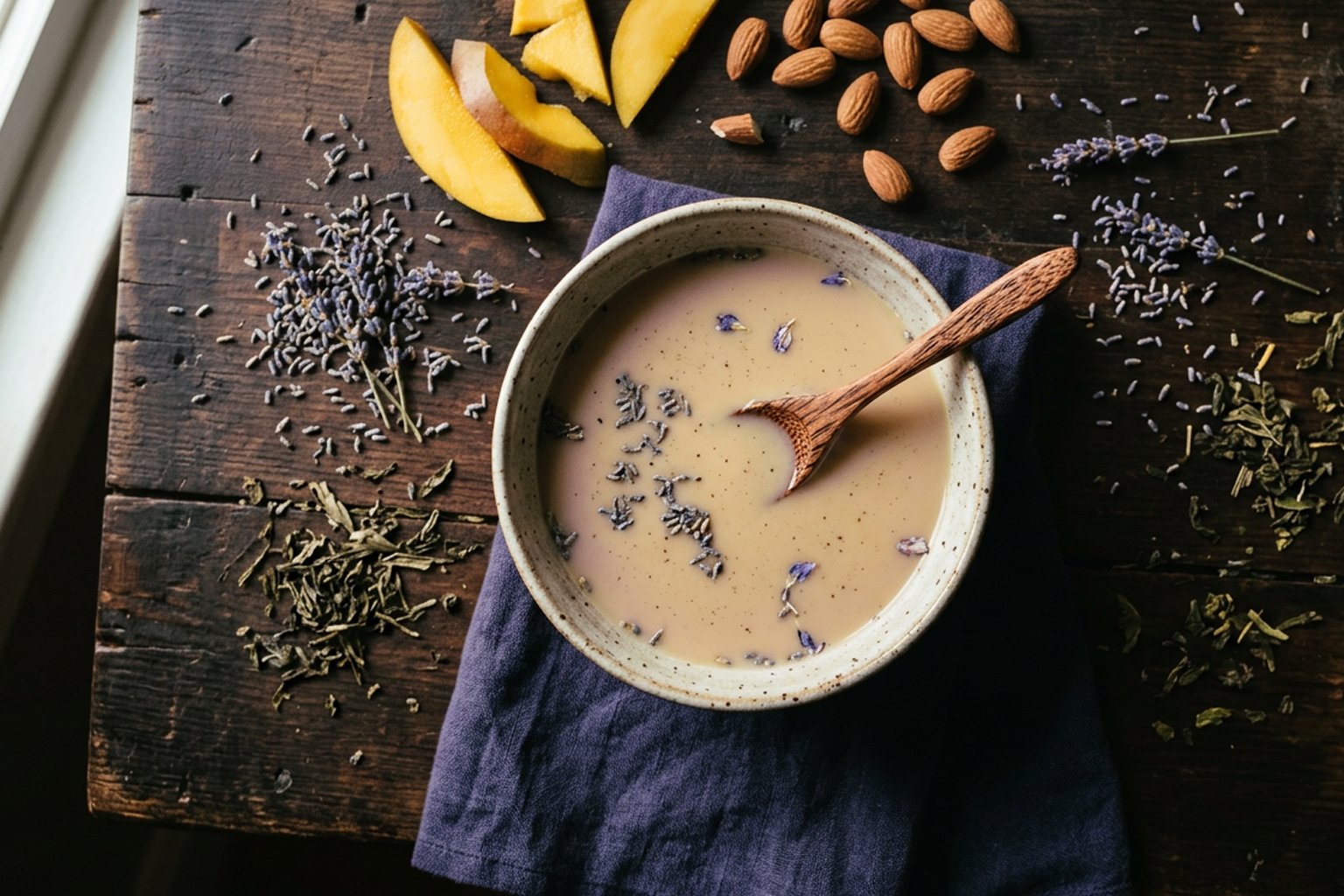
The first shelf-stable ready-to-drink pink Kashmiri chai. Two SKUs at launch: Rose-Pistachio and Mango-Lavender, in 8.4oz slim cans. 10g protein. Oat milk base. Woman-owned. Produced by an SQF-certified co-packer. A category that didn't exist until we created it.
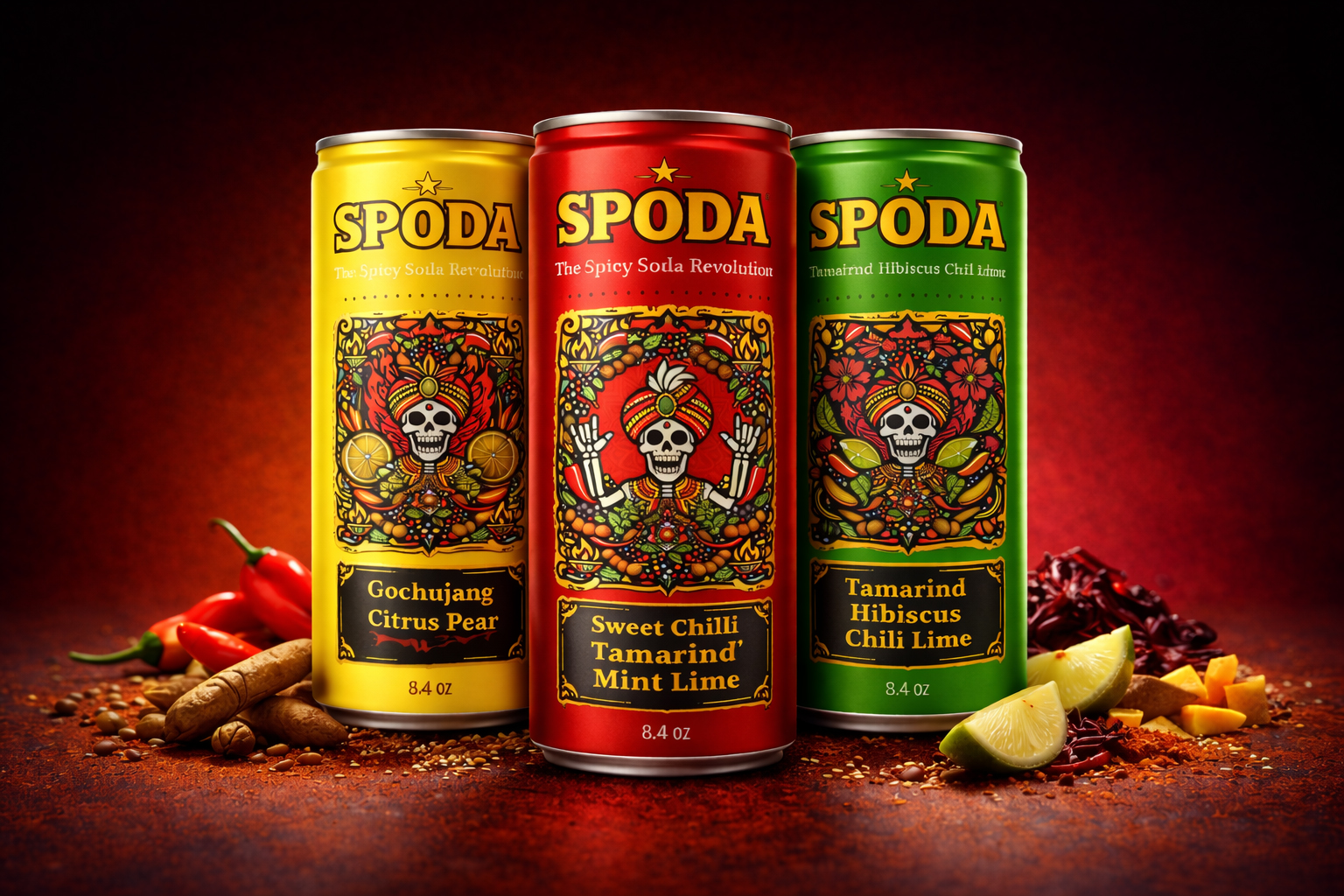
Spicy, carbonated, globally inspired. Three SKUs in development: Gochujang Citrus Pear, Sweet Chilli Tamarind Mint Lime, and Tamarind Hibiscus Chili Lime. Where Calma Sutra is calm, Spoda is heat. Different tradition. Different shelf. Same standard.
Culinary tradition identified.
Formulation partner in discussion.
Category research underway.